
After the Flood: Repeated floods reveal why we must rethink resilience in Nepal’s mountains
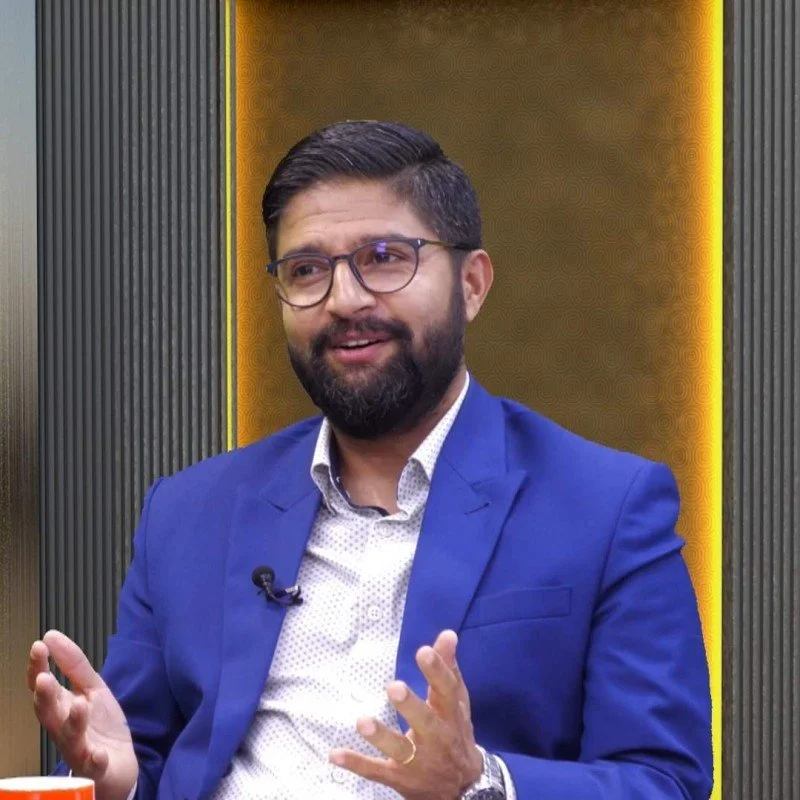
Guest blog by Dr. Santosh Nepal, Researcher – Water Resources and Climate Change, International Water Management Institute (IWMI), Kathmandu, Nepal
This article was originally posted on IWMI’s blog here.
————————————————————————
Two catastrophic floods in Nepal within less than two months have left me thinking about a question that goes well beyond disaster preparedness: what does it mean to build resilience when the physical foundations on which development depends are themselves changing?
On 26 August 2026, a massive rock and glacier avalanche in the Langtang mountain in Central Nepal triggered a devastating debris flow and flood along the Bhotekoshi–Trishuli corridor. More than 1,450 people have reportedly died, and 5,200 remain unaccounted for. The disaster destroyed settlements, roads, bridges and other critical infrastructure, severely disrupting connectivity between Nepal and China. According to the Rapid Disaster Needs Assessment (RDNA), prepared by Nepal’s National Disaster Risk Reduction and Management Authority (NDRRMA), the disaster caused an estimated USD 2.7 billion in losses, with USD 4.8 billion needed for recovery and reconstruction.
Then, on 11 October, just 46 days later, another flash flood struck the Budhi Gandaki River in Gorkha, around 40 km west of the first disaster. Nepal was still dealing with the August devastation when houses and bridges were swept away, hydropower projects were damaged, people went missing and dozens had to be rescued. Initial assessments suggest that this event, too, originated in the high mountains and involved an avalanche of ice, snow and rock.
For me, the proximity of these two disasters makes it difficult to see them simply as separate events. They raise a deeper concern about how quickly the risks facing Nepal’s mountain communities and development infrastructure may be changing, and whether our current approaches to resilience are keeping pace.
There is grief, certainly. But there is also a sense of unease. These disasters force us to review where we build, how we build and what kinds of risks communities are expected to live with. Nepal has invested heavily in hydropower as a foundation for its energy transition and economic future. Yet the August flood reportedly damaged 13 hydropower projects with a total capacity of 760 MW. When a single event can threaten people, power infrastructure, transport corridors, settlements and cross-border trade at the same time, resilience cannot be assessed project by project. The connections between these systems matter just as much as the strength of individual assets.
Early warning is fundamental in Nepal. Better monitoring, forecasting and communication can save lives, and Nepal must continue to strengthen these systems. However, conventional rainfall and river-level monitoring alone might not sufficiently capture the full range of cascading hazards originating in the high mountains, particularly when ice, rock, snow and water interact. We need to better understand these processes while ensuring that everyone can access, understand and act on warnings. Women, older people, persons with disabilities and people in remote settlements may face additional barriers to receiving alerts and evacuating safely. This requires inclusive communication, accessible evacuation arrangements and community-driven preparedness.
We also need to ask harder questions about the development choices we make today. Should critical infrastructure remain concentrated in narrow, hazard-prone river valleys? What level of risk to hydropower and critical infrastructure is acceptable? Under what circumstances should we strengthen, relocate, redesign or diversify infrastructure? And when the risk of another disaster remains high, should we rebuild in the same place at all? How do we consider future risks when extreme climatic events are likely to increase in the future?
These questions are not only about engineering or investment. They are also about the futures we are creating for people who live in these challenging terrains. What does resilience mean for a young person growing up in a community where livelihoods are becoming more uncertain and essential infrastructure is repeatedly damaged? Does adaptation help that person build a secure future at home, or does it merely help them cope with repeated losses until migrating from the ancestral land becomes the only viable option? For me, this distinction matters. Resilience should not mean simply surviving the next disaster; it should mean having the opportunity to live safely, sustain a livelihood and build a future with dignity.
These choices are not equally available to everyone. Women, people with disabilities, low income households and socially marginalised communities may have fewer resources, less access to decision-making and fewer options for recovery or relocation. A resilience approach that overlooks these differences risks reinforcing existing inequalities, leaving those already facing disadvantages with the greatest burden of repeated disasters.
These are also questions of climate justice. Mountain communities in Nepal have contributed little to global warming, yet they live on the front lines of rapidly evolving climate and cryospheric risks. The injustice becomes painfully real when families lose loved ones, homes, livelihoods, farmland and places of deep cultural and social significance. Recovery, therefore, must consider not only what has been physically damaged, but also what people need to restore their lives and regain a sense of belonging and security.
The lesson I draw from these two disasters is not simply that Nepal needs stronger protection from flash floods and cascading hazards. We need to reconsider what resilient development looks like in a rapidly changing Himalaya. This means taking a more integrated approach to development planning, linking disaster risk to decisions about river systems, settlements, transport, hydropower, ecosystems, livelihoods and climate finance. These are often addressed through separate policies, institutions and investment decisions, even though the risks and consequences are closely connected.
An integrated approach must also be inclusive. The priorities and experiences of women, Indigenous Peoples, persons with disabilities and other marginalised groups need to inform decisions about infrastructure, ecosystem restoration, livelihood support and climate finance. This means involving them meaningfully in planning and implementation, while ensuring that investments reach those most exposed to risk and least able to recover from repeated losses.
I do not think there are easy answers to all these questions. Nepal will continue to need roads, hydropower, settlements and other infrastructure to support its development. But the two disasters have reinforced my view that development in the Himalaya must be planned with a much clearer understanding of changing hazards, future climate change and the possibility of cascading impacts.
Sometimes resilience means protecting infrastructure. Sometimes it means designing and locating it differently. It may also mean diversifying livelihoods, building community capacity, restoring ecosystems, strengthening local preparedness and making sure communities, particularly women, Indigenous Peoples, persons with disabilities and other marginalised groups, have a meaningful voice in decisions about their future. And sometimes, however difficult, resilience means accepting that development choices that made sense in the past may no longer be relevant for tomorrow’s conditions. Ultimately, resilience depends not only on recognising risks, but also on whether institutions and investments respond to them.
After the flood, the question is not simply how quickly we can rebuild what was lost. It is whether we can use this moment to rethink how we develop and where we invest. In Nepal’s changing mountains, building resilience means more than safeguarding infrastructure; it means ensuring that people, including those most vulnerable to disasters, can live safely, sustain their livelihoods and participate in shaping their future. That may be the more difficult task, but it is also the one that matters most.