Data, Demand, and Water: Building Resilience in the Indo-Pacific
Data center capacity in the Indo-Pacific region is predicted to double within the next three years. A project launched in 2025 between the Australian Water Partnership (AWP) and the Alliance for Global Water Adaptation (AGWA) seeks to equip those cities and regions with the policy frameworks, knowledge, and tools they need to not just survive an AI boom but thrive in it.
Data centers provide steady cash flows for landowners with long-term contracts, making them the second most attractive asset class in 2025 in the Indo-Pacific region. Globally, capital expenditures by hyperscalers on large-scale data centers jumped 58% in 2025. Data centers need direct access to water and electricity, meaning that they are often located near population centers, creating potential conflicts with municipal and industrial demands.
As demand for data centers increases, new and effective practices, policies, and tools to manage their impact on water and energy systems are needed to ensure they result in sustainable, equitable, and resilient outcomes in regions where they are built.
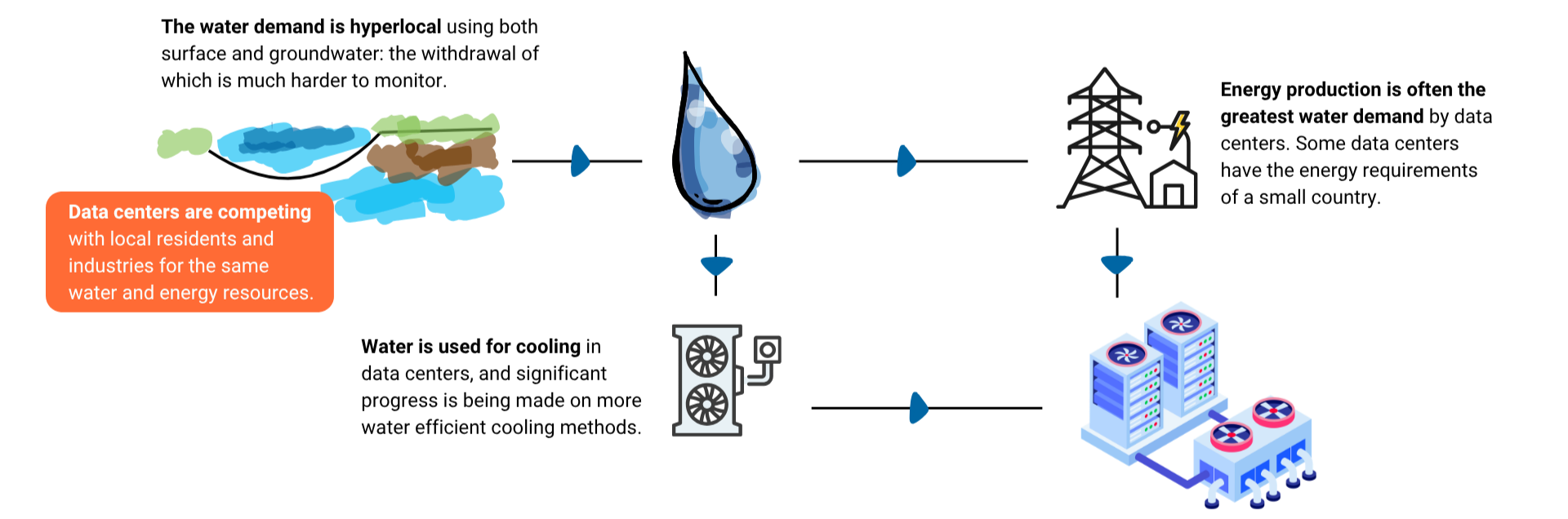
This project was developed through direct discussions with water, energy, and data center operators, stakeholders, and regulators worldwide. Beyond increasing competition for resources, the region also faces the escalating and unpredictable impacts of climate change.
As part of this project several closed workshops were held with a range of stakeholders in the region which informed the development of three articles and a policy brief.
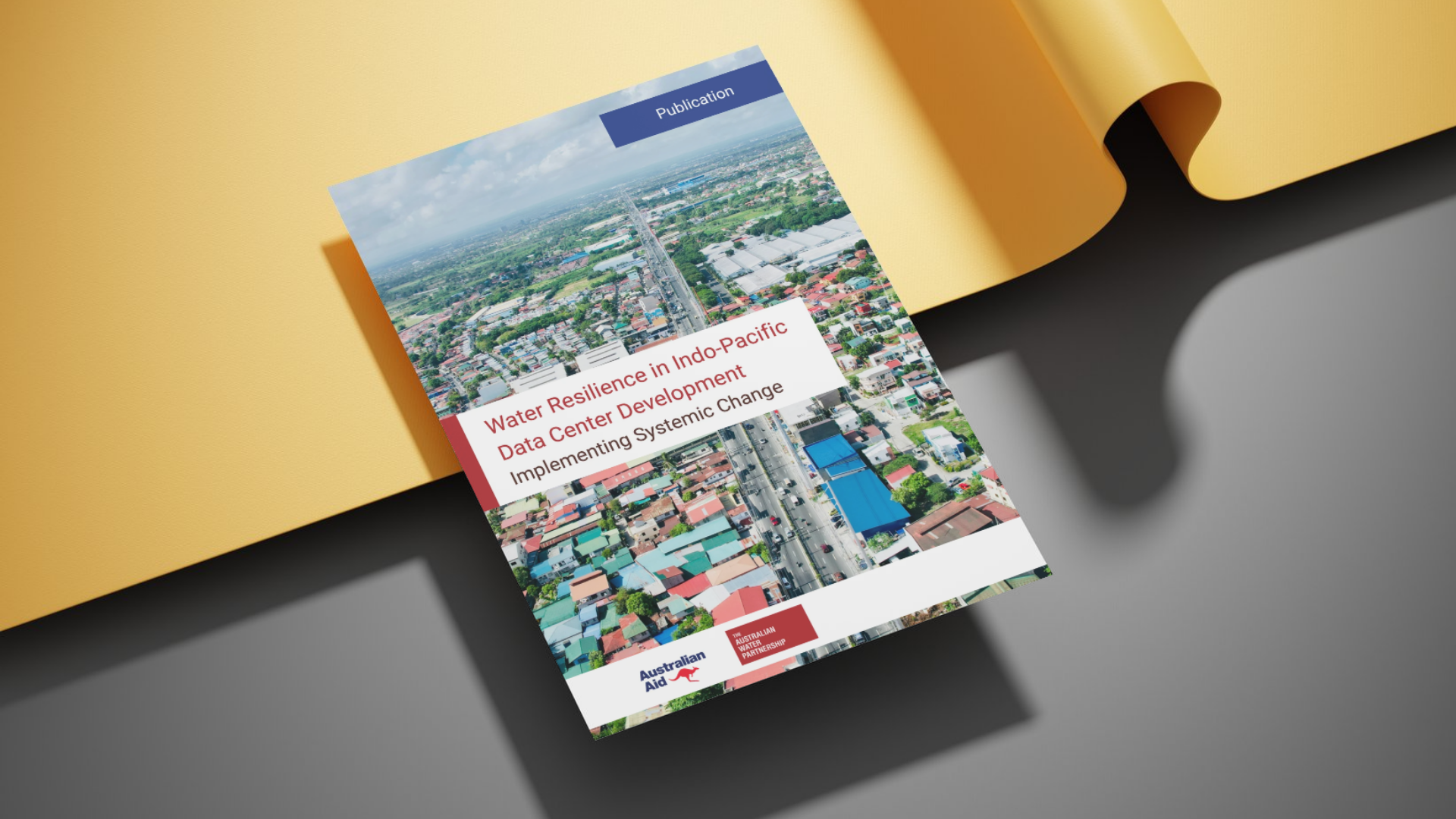
Policy Brief
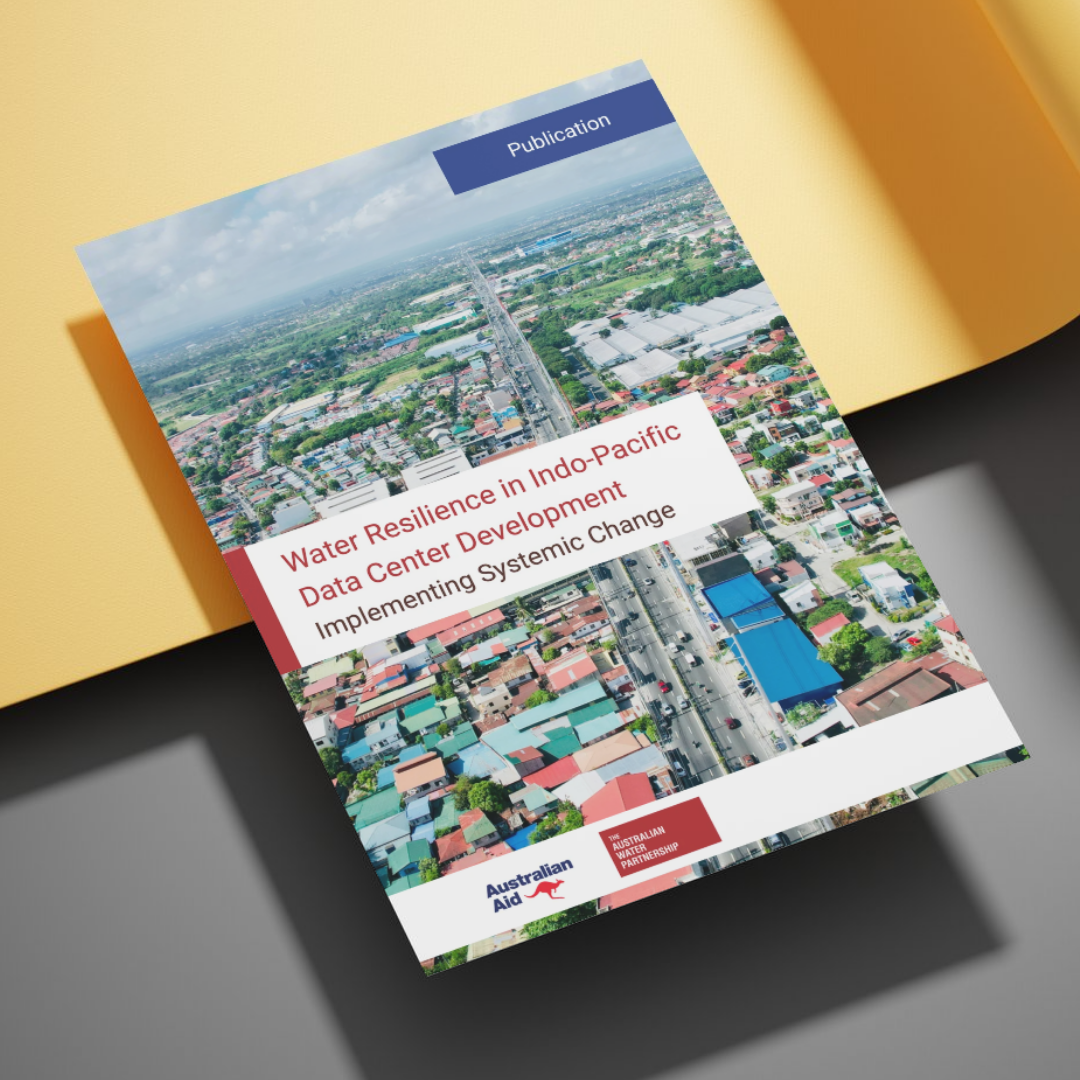
Water Resilience in Indo-Pacific Data Centre Development: Implementing Systemic change
The accelerating digital boom in the Indo-Pacific cannot outrun the physical realities of its climate and water constraints. A future where data centers are passive, resource-intensive facilities will falter. Investment in circular infrastructure, rigorous regulatory frameworks, and transparent community equity is needed so the region can secure its digital future without compromising its ecological foundations. This policy brief explores solutions and actions that can be taken today to protect water resilience tomorrow.
Article Series
The following articles were written during this project based on extensive research as well as stakeholder meetings which helped identify existing gaps and bottlenecks as well as explore potential solutions.